Source 4 way plastic pallet for Warehouse, Transport, and Racking
Find 22 verified listings for the 4 way plastic pallet designed for forklift use, rackable storage, and logistics transport. Compare specifications including load capacity, entry type, and material options from multiple suppliers.
Key considerations
Products List


Comprehensive Sourcing Guide
Strategic Sourcing Guide for 4-Way Plastic Pallets
Understanding the Technical Architecture of 4-Way Entry Systems
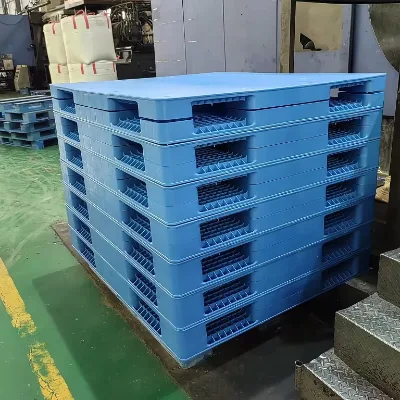
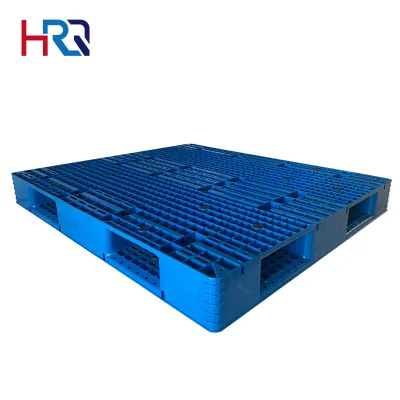
The selection of a 4-way plastic pallet represents a critical decision in modern supply chain logistics, primarily driven by the need for maximum flexibility in material handling operations. A 4-way entry design allows forklifts and pallet jacks to access the pallet from all four sides, significantly reducing maneuvering time and increasing throughput in high-density storage environments. Based on observed market data, these units are frequently categorized under "Flat Pallets" or "Box Pallets" depending on their structural depth and intended racking application. The physical dimensions of these pallets vary, with standard configurations observed in the range of 1200mm x 1100mm x 150mm or 1200mm x 800mm x 150mm, though custom dimensions such as 1790mm x 1000mm x 140mm are also available to meet specific warehouse racking requirements.
The structural integrity of a 4-way plastic pallet is defined by its load-bearing capabilities. Buyers must distinguish between dynamic load capacity, which refers to the weight the pallet can support while being moved by a forklift, and static load capacity, which indicates the maximum weight it can hold when stationary on the floor. Market observations indicate dynamic loads ranging from 1 ton to 2 tons, while static loads can support between 4 tons and 6 tons. Furthermore, for racking applications where the pallet is suspended between beams, the racking load capacity is a distinct and often lower metric, with observed values around 0.5 tons. The unit weight of these pallets is substantial, with specific models weighing approximately 30kg, which influences shipping costs and handling requirements. The entry type is a definitive feature; while some pallets offer 2-way entry, the 4-way configuration is essential for operations requiring rapid repositioning without rotating the load.
Material Composition and Environmental Durability
The material composition of plastic pallets is a primary determinant of their longevity and suitability for various industries. The dominant raw material identified in the market is plastic, specifically engineered polymers designed to resist impact, moisture, and chemical degradation. In some specialized applications, Expanded Polypropylene (EPP) is utilized as a raw material, offering superior shock absorption and lightweight properties. The choice of material directly impacts the pallet's ability to function as an anti-static unit, a crucial feature for industries handling sensitive electronic components or flammable materials. The insulation properties of these pallets are often highlighted as anti-static, ensuring that static electricity does not accumulate to dangerous levels during transport.
Color is not merely an aesthetic choice but a functional specification. Observed color options include blue, black, grey, white, and yellow, with the ability to request specific colors based on volume. This customization allows companies to implement color-coding systems for different product lines, zones, or quality statuses within a warehouse. The surface finish is another critical technical attribute; many 4-way plastic pallets feature anti-slip rubber inserts to prevent load shifting during transit. This feature is particularly important for smooth plastic surfaces which might otherwise be too slippery for certain types of packaging. The production standard for these units often adheres to specific dimensional tolerances, ensuring compatibility with automated conveyor systems and robotic palletizers.
Compliance, Certification, and Regulatory Standards
Navigating the compliance landscape is essential for procurement professionals, particularly when sourcing from international markets. The supply chain for plastic pallets often originates from major manufacturing hubs in China, with specific clusters in Qingdao and Jiangsu provinces. When evaluating suppliers, buyers should verify that the manufacturer holds recognized quality management certifications. Observed certifications include ISO 9001 for quality management, ISO 14001 for environmental management, and ISO/TS 16949 for automotive industry applications. Additionally, for pallets intended for food and beverage logistics, Food Grade certification is a mandatory requirement to ensure the material does not leach harmful substances into the product.
It is important to note that while ISO 14001 is a common standard mentioned in background contexts, buyers must verify the specific scope of this certification for each supplier. The product standards themselves vary; some manufacturers adhere to standard dimensions like 12001100150mm, while others offer fully customizable standards to fit unique racking systems. The packaging of these pallets is also a compliance consideration; options range from bulk packing to seaworthy packing and shrink film, which protects the product during long-haul ocean freight. Buyers should ensure that the packaging method aligns with their inbound logistics capabilities and that the supplier can provide documentation verifying the material's compliance with relevant safety and environmental regulations.
Cost Drivers and Economic Considerations
The pricing structure for 4-way plastic pallets is influenced by several variables, including material costs, customization levels, and order volume. The observed price range in the market spans from 5 to 70 USD per unit, a wide variance that reflects differences in load capacity, material thickness, and feature sets. A pallet with a 6-ton static load and anti-static properties will naturally command a higher price than a basic 1-ton dynamic load unit. The Minimum Order Quantity (MOQ) is another significant cost driver, with observed ranges from 1 to 200 units. Smaller MOQs offer flexibility for testing or small-scale operations but may result in a higher unit cost, whereas larger orders typically secure better pricing tiers.
Lead times and shipping logistics also play a role in the total cost of ownership. Since many manufacturers are located in China, buyers must factor in ocean freight costs, customs duties, and potential delays. The unit weight of approximately 30kg per pallet means that shipping efficiency is crucial; optimizing the number of pallets per shipping container can significantly reduce the landed cost. Furthermore, the option for labeling, such as logos and numberings on request, adds a layer of customization that may incur additional setup fees. Buyers should evaluate the total cost of ownership, including the potential for reduced replacement frequency due to the durability of plastic compared to wood, and the efficiency gains from 4-way accessibility.
Supplier Evaluation and Quality Assurance Protocols
When evaluating potential suppliers for 4-way plastic pallets, buyers should look beyond basic product specifications and assess the manufacturer's capability for customization and quality control. The ability to customize the product model, such as the HDFGNS1210F or HDDFGWS1810A, indicates a flexible manufacturing process. Suppliers should demonstrate a clear understanding of the buyer's specific operational needs, whether that involves specific entry types, racking loads, or color requirements. The presence of a "Single Face" or "Double Faced" style option suggests that the supplier can tailor the pallet structure to different load distribution needs.
Quality assurance should be a central part of the supplier selection process. Buyers must verify that the supplier has a robust testing regimen to ensure that the dynamic and static load capacities meet the stated specifications. The presence of anti-slip rubber inserts and the consistency of the anti-static properties should be validated through third-party testing or internal quality reports. Additionally, the packaging method, whether bulk or shrink-wrapped, should be inspected to ensure it prevents damage during transit. A reliable supplier will provide clear documentation regarding the raw materials used, such as the specific grade of plastic or EPP, and will be transparent about their production standards.
Typical Applications and Operational Integration
The versatility of 4-way plastic pallets makes them suitable for a wide range of applications, from general warehouse storage to specialized logistic transport. The "Forklift Use, Rackable, Warehouse Storage" usage profile highlights their adaptability. In automated warehouses, the precise dimensions and structural consistency of plastic pallets ensure smooth integration with conveyor systems and automated storage and retrieval systems (AS/RS). The 4-way entry is particularly beneficial in cross-docking operations where rapid loading and unloading are required. The anti-static properties make these pallets ideal for the electronics industry, while the food-grade certification allows for use in pharmaceutical and food processing sectors.
The ability to customize logos and numberings supports inventory management systems, allowing for easy identification of pallet contents and origin. The color options further enhance this by enabling visual management systems where different colors represent different product categories or quality statuses. Whether used for transporting goods in a shipping container or for long-term storage in a high-bay racking system, the 4-way plastic pallet offers a robust solution that minimizes product damage and maximizes operational efficiency. The specific model selection, such as the TB144 or TB092, should be matched to the specific load requirements and handling equipment available in the buyer's facility.
Long-Term Procurement and Lifecycle Management
Sourcing 4-way plastic pallets is not just a one-time transaction but a long-term partnership that requires careful lifecycle management. The durability of plastic pallets means they can last significantly longer than wooden alternatives, reducing the frequency of replacement and the associated environmental impact. However, buyers must plan for the eventual end-of-life disposal or recycling of these units. The use of specific raw materials like EPP or high-density polyethylene influences the recyclability of the pallet.
Buyers should also consider the scalability of their procurement strategy. As the business grows, the ability to order larger quantities with consistent quality and specifications is vital. The observed customization options, such as requesting specific colors or logos, should be integrated into the long-term branding and operational strategy. Maintaining a relationship with a supplier who offers flexible production standards and can adapt to changing needs will ensure a steady supply of high-quality pallets. Regular audits of the supplier's quality control processes and certification status will help maintain the integrity of the supply chain and ensure that the 4-way plastic pallets continue to meet the evolving demands of the logistics environment.
FAQs
What load capacities do 4-way plastic pallets support?
These pallets support dynamic loads of 1 to 2 tons and static loads ranging from 4 to 6 tons. Racking loads are typically lower at around 0.5 tons, ensuring safe suspended storage in warehouse systems.
Which entry types are available for plastic pallets?
Both 2-way and 4-way entry types are available to suit different handling needs. The 4-way design allows forklifts to access the pallet from all sides, significantly improving maneuverability in high-density storage environments.
Can I request custom colors and logos for these pallets?
Yes, you can request specific colors like blue, black, grey, white, or yellow depending on volume. Logos and numberings are also customizable on request to support your inventory management and branding strategies effectively.
What certifications do the manufacturers hold?
Manufacturers typically hold ISO 9001, ISO 14001, and ISO/TS 16949 certifications for quality and environmental management. Food Grade certification is also available for pallets intended for use in food and beverage logistics applications.
How are these plastic pallets packed for shipping?
Pallets are packed in bulk, on pallets, or using seaworthy packing with shrink film. The packaging method is selected to ensure the units remain protected during long-haul ocean freight to your destination facility.
What materials are used to make these pallets?
The primary material is plastic, with some specialized models using Expanded Polypropylene or EPP. These materials provide durability, moisture resistance, and anti-static properties suitable for sensitive electronic or industrial components.
Are these pallets suitable for racking systems?
Yes, many models are explicitly designed to be available for racking applications. They feature specific structural designs to support suspended loads safely between racking beams in automated warehouse environments.